
Finding the right venue often starts with a clear casino adelaide guide that separates flash from substance. Adelaide offers a handful of established rooms, each with its own rhythm, floor layout, and reward style. For a player weighing where to put time and money, the details matter more than the glitz. This piece walks through the practical questions worth asking before you commit to a session, focusing on how each property handles its core offer, its loyalty mechanics, and the everyday usability that shapes a real visit.
What the Local Rooms Actually Offer

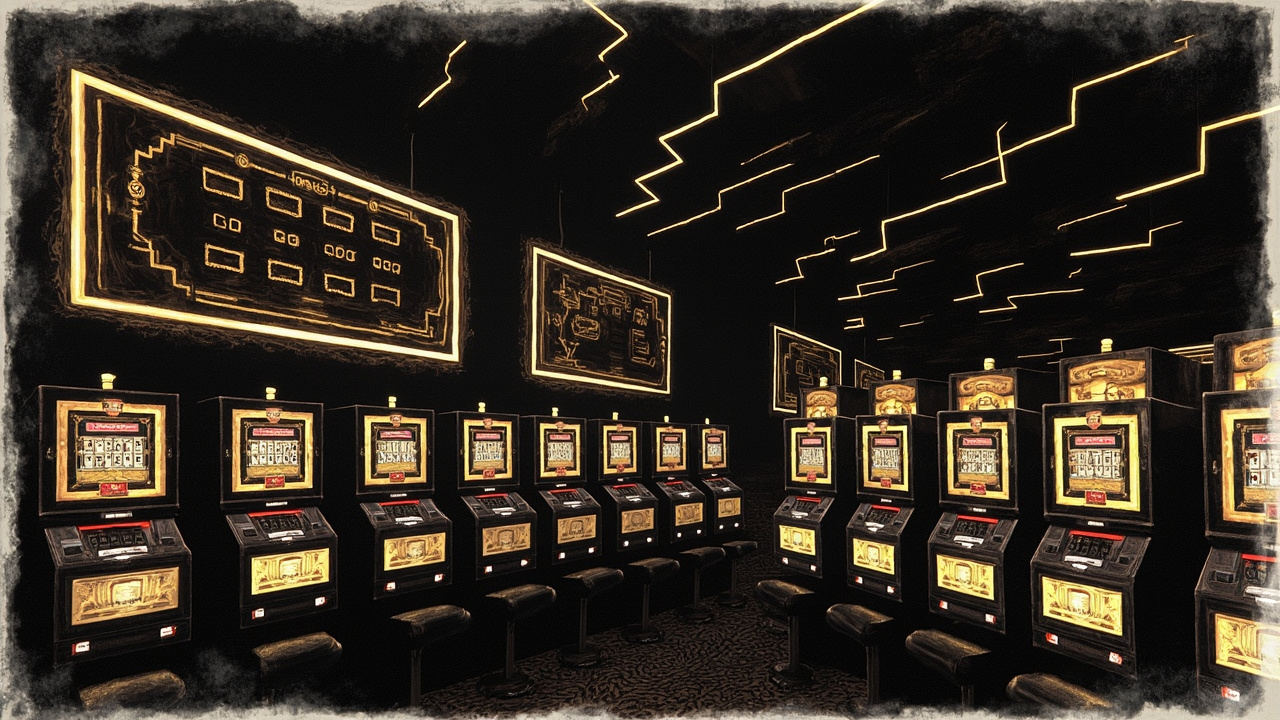
The Adelaide market is not a monolith, and a useful casino adelaide guide should reflect that variety rather than flattening it into a single pitch. Most local rooms run a familiar mix of table games and electronic gaming machines, but the way those products are arranged changes the experience meaningfully. Some venues prioritise a compact floor with a tight cluster of high-traffic pokies and a small card room, which suits players who want quick access and a straightforward layout. Others spread out over multiple levels, adding restaurant seating, bar areas, and a broader range of table limits that can accommodate both casual visitors and steadier regulars.
Two or three traits tend to distinguish one room from another. Placement matters first: a venue near the city centre or a major transport route often draws a different crowd from one tucked into a suburban entertainment strip. The second trait is how the floor is zoned. A property that separates quiet card tables from the louder machine banks usually feels more manageable on a busy night, especially when you are trying to keep track of bankroll and session length. The third is the reward structure. Some rooms lean on a simple points-per-spend model that converts into dining credit or match play, while others run a more layered loyalty scheme with tiered perks that only become useful if you visit often enough to reach the next level.
Everyday usability is where these differences show up most. Check-in speed, the clarity of signage, and whether the staff can explain the loyalty setup without rushing you all affect whether a venue feels approachable or merely busy. A room that looks impressive from the outside can still feel clunky if the machines are poorly spaced, the tables are hard to monitor from the bar, or the app tied to the loyalty program is sluggish on a phone. For a local player, the fit is less about grand claims and more about whether the venue matches how you actually play: short sessions, longer evenings, table focus, or machine-heavy rounds.
How to Read the Offer Before You Play
If you are new to the local scene, it helps to treat a visit like a short checklist rather than a leap of faith. The goal is to understand what you are walking into before you hand over a bankroll, and the process is simple enough to run through in a few minutes.
Start by checking the floor layout on the venue’s own site or app, if it has one. Look for how the machine bank is arranged and whether the table area is easy to spot from the entrance. A clear layout usually means you can settle in without wandering around asking staff where things are. If the site lists game providers or machine types, that is a useful signal too, because it tells you whether the floor leans toward familiar community-style titles or a more mixed selection. For players who also spend time on regulated online products, the comparison is worth making: a land-based room with a tidy, well-labelled floor often feels closer in spirit to a well-built digital lobby than to a cramped, noisy space where you are constantly reorienting yourself.
Next, read the loyalty terms before you assume the rewards are as generous as they sound. Points per dollar, conversion rates, and any weekly caps should be easy to find. If the terms are buried or written in a way that makes the actual value hard to judge, that is a useful warning sign. A straightforward scheme that gives you a predictable return on your spend is often more useful than a flashy program that only pays off after you have already built up a lot of visits. If you play regularly, this is also the point where it pays to compare how a local room’s reward structure stacks up against the way a regulated online product handles its own promotions, because the two models are not always measuring the same thing.
Finally, test the practical side on a low-pressure visit. Note how long it takes to get through entry, how easy it is to find a seat, and whether the staff can answer a basic question about limits or rewards without hedging. If you plan to use a phone app for check-in or points, make sure it behaves properly on your device before you rely on it during a busy session. A venue that feels smooth on a quiet weekday is a better bet than one that only looks good in a brochure.
Matching the Room to Your Playing Style
A solid casino adelaide guide should help you connect the venue’s actual setup to the way you like to play, not just list features in the abstract. If you prefer short, focused sessions, a compact room with a clear machine bank and a nearby bar or meal option may suit you better than a larger property where you spend more time moving between zones. If you play mostly at tables, look for a venue where the card room is easy to monitor and the limits are posted plainly, because that reduces the friction of settling in and checking the flow of the game.
Payment and registration details matter here too, even for a land-based visit. Some rooms tie their loyalty accounts to a simple membership sign-up, while others link everything to a digital profile that also tracks your play across visits. If you want a smoother experience, a venue that keeps the sign-up process short and the reward tracking easy to read is usually the better everyday fit. For players who split time between land-based and regulated online products, it is worth remembering that the two environments are set up differently by design. A local room’s rewards are built around physical visits and on-site spend, while a regulated online product tends to structure its promotions around digital deposits and session activity. That difference is not a flaw in either model; it is just a different way of organising the same basic idea.
If you ever want to compare how a local room’s reward logic lines up with a regulated online product’s approach to promotions, a practical read on daily tournament structures can be a useful reference point, especially if you are trying to judge whether a bonus or competition is actually aligned with how you play. A Practical Guide To Real Money Casino Daily Tournaments explains that kind of setup in plain terms, which makes it easier to judge whether a promotion is built around your habits or just dressed up for a quick click. that practical read explains that kind of setup in plain terms, which makes it easier to judge whether a promotion is built around your habits or just dressed up for a quick click.
Perth players often weigh similar questions when they are comparing local rooms, and the same logic applies: the best fit is the one that matches your session length, your preferred games, and how much effort you want to spend on rewards tracking. A venue can look busy and still be a poor match if the floor is hard to navigate or the loyalty setup is more trouble than it is worth. On the other hand, a quieter room with a clear layout and a straightforward points system can be the better choice for someone who wants a predictable night out rather than a crowded one.
For anyone who wants a single place to start comparing local options, the club house casino is one example of a venue that frames its offer around a clear floor layout and a simple loyalty setup, which can make the first visit easier to read. the club house casino is one example of a venue that frames its offer around a clear floor layout and a simple loyalty setup, which can make the first visit easier to read.
The main thing to weigh is fit, not hype. A good casino adelaide guide should leave you with a clearer sense of which room matches your pace, your games, and the way you want to handle rewards, so the visit feels like a choice rather than a guess. If you keep the focus on layout, loyalty clarity, and everyday usability, you are more likely to pick a venue that works for your actual habits instead of one that only looks good in a quick glance.